Tag: https://www.m88linkmy1.com

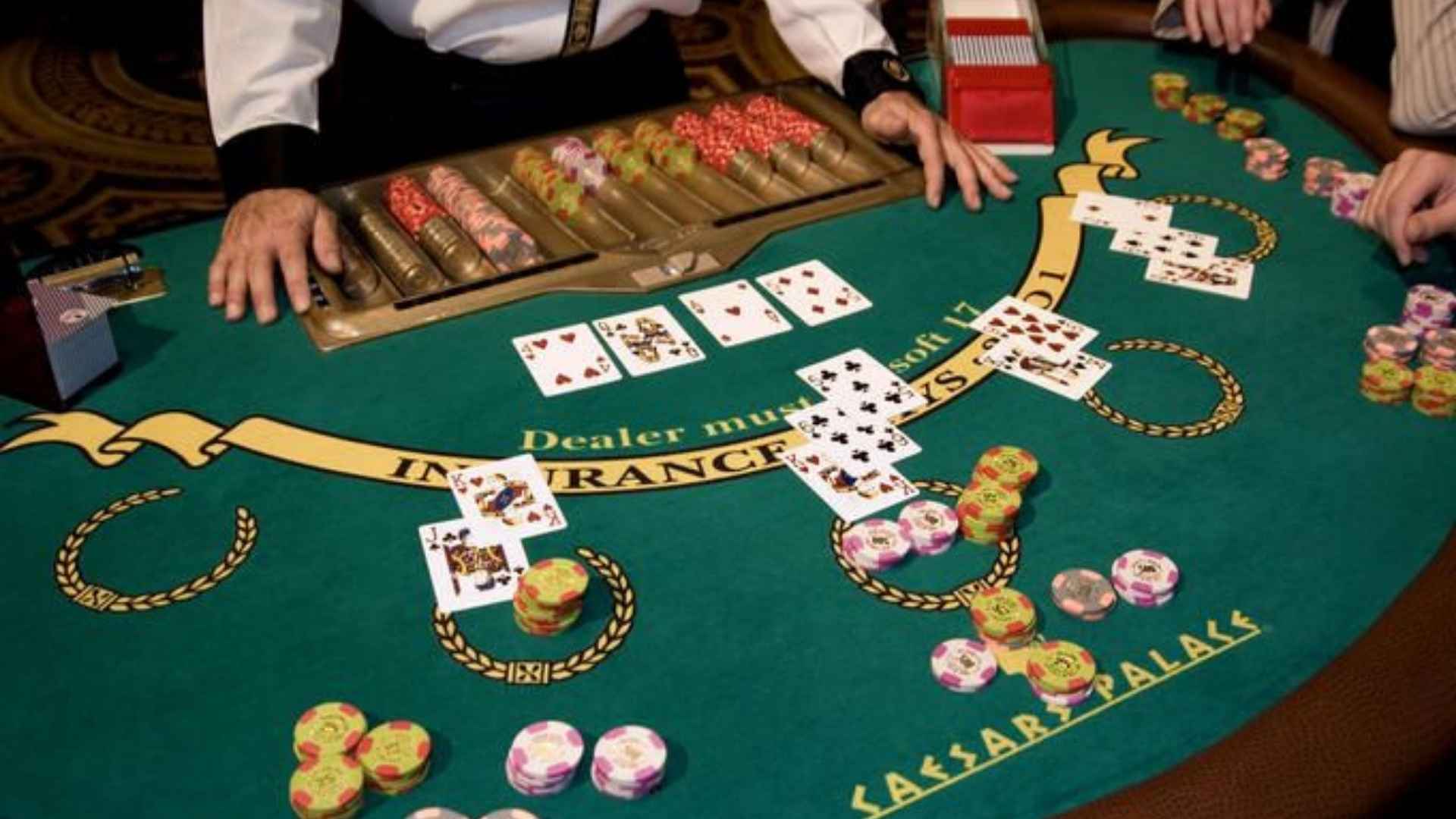
How to Play Blackjack at a Casino: A...
Stepping up to a live blackjack table for the first time can feel intimidating, but the game itself is one of the simplest and most accessible in the casino. Unlike games that rely purely on chance, blackjack allows players to influence outcomes by making strategic choices based on mathematical probability. Understanding the fundamental mechanics and basic etiquette ensures a confident start at the gaming floor.
Understanding the Primary Goal and Card Values
The primary objective in blackjack is to beat the dealer's hand total without exceeding a total value of 21 points. Exceeding 21 results in an immediate loss, commonly referred to as a bust, regardless of the dealer's final outcome.
Card values are straightforward: numbered cards from 2 through 10 hold their face value, while face cards like Kings, Queens, and Jacks are worth 10 points each. Aces are unique because they can count as either 1 or 11 points, depending on which value benefits your hand total more.
The Flow of a Standard Blackjack Round
A typical round begins after players place their initial wagers in the designated betting circle in front of them. The dealer then distributes two cards to each player and two to themselves, keeping one of their cards face up and the other face down.
Based on your visible cards and the dealer's upcard, you must decide whether to hit for an additional card or stand to keep your total. Players exploring modern gaming guides or digital variants on platforms like m88 login often practice these decision cycles to build comfort before joining physical casino tables. Additional options include doubling down to double your wager for one extra card or splitting matching pairs into separate hands.
Basic Table Etiquette for Beginners
In a physical casino setting, communication at the blackjack table is conducted primarily through hand signals rather than verbal calls. Tapping the table signals a hit, while waving your hand horizontally over your cards signals a desire to stand.
It is important never to touch your physical chips once a round has officially commenced and dealing begins. Handing cash directly to the dealer is also restricted, so players must place currency flat on the felt surface when buying in for chips.
Essential Strategy Tips for New Players
Adopting a basic strategy framework significantly lowers the house advantage and helps beginners avoid common tactical mistakes. A fundamental rule is to always stand when your total reaches 17 or higher to prevent busting.
Additionally, pay close attention to the dealer's visible upcard when deciding your action. If the dealer displays a weak upcard like a 4, 5, or 6, they face a higher statistical chance of busting, making it safer for players to stand on lower totals.

can you claim casino game losses on taxes...
Navigating the tax implications of casino gaming can be confusing for casual players and frequent visitors alike. Understanding how the tax code treats gambling losses is essential for accurately reporting income and taking advantage of allowable deductions. Knowing the fundamental rules helps players stay compliant while mitigating their tax liabilities legally.
The Core Principle of Gambling Loss Deductions
Under United States tax regulations, taxpayers can deduct gambling losses, but only up to the total amount of reportable gambling winnings. This means you cannot deduct net losses against other taxable income like wages or investment returns. If you won $2,000 but lost $3,000 during the tax year, your maximum deduction is capped at $2,000.
To claim these losses, taxpayers must itemize their deductions on Schedule A rather than taking the standard deduction. For many casual gamers, taking the standard deduction yields a larger tax benefit than itemizing. Evaluating whether itemizing makes financial sense is a critical step during tax filing season.
The Necessity of Meticulous Recordkeeping
Tax authorities require verifiable proof before allowing any claims regarding casino losses. Maintaining an accurate logbook detailing dates, locations, specific table games or slot machine numbers, and financial amounts is vital. Supporting evidence such as bank statements, ATM slips, and loyalty card activity reports can further substantiate your claims during an audit.
Relying solely on estimate guesses or general recollections will not hold up during an official tax review. Whether playing locally or exploring international options listed on m88 msports login, keeping detailed financial records ensures complete transparency. Establishing a dedicated ledger at the start of the year simplifies this compliance process immensely.
Reporting Gross Winnings Versus Net Results
A common misconception among players is that they only need to report net profits on their annual tax returns. Tax law mandates that taxpayers report total gross winnings as income first, rather than subtracting losses directly. Losses are then claimed separately as an itemized deduction under the appropriate category.
Failing to report gross winnings accurately can lead to unexpected notices or penalties from tax authorities. Because casino operators report major payouts via official tax forms, discrepancies are easily flagged. Proper reporting ensures that both total income and allowable deductions are transparently presented.
Professional Versus Recreational Gambling Status
The tax rules for professional gamblers differ significantly from those applicable to recreational players. Individuals who qualify as professional gamblers can report income and losses on Schedule C as business activity. This allows them to deduct ordinary and necessary operating expenses related to their gambling endeavors.
However, qualifying as a professional requires proving a sustained, ongoing effort focused on earning a primary livelihood. Casual visitors to casino floors cannot use professional status to write off general expenses. Consulting a qualified tax accountant is always recommended to ensure proper classification and compliance.

Randomized Bonuses Creating More Memorable Reward Reveals
Modern interactive platforms are increasingly shifting away from static payout structures to offer dynamic prize reveals. By integrating unexpected elements into milestone achievements, creators can turn everyday interactions into highly engaging events. This shift highlights how uncertainty enhances overall enjoyment and makes every accomplishment feel distinct.
The Emotional Weight of Unpredictable Discoveries
Human psychology naturally responds with heightened focus when an outcome is not completely known in advance. When participants unlock a reward without knowing its exact contents, the brief moment before the reveal triggers genuine curiosity. This emotional surge ensures that even modest perks leave a lasting impression on the user.
Fixed reward tracks often lead to routine expectations where players simply go through the motions. In contrast, variable incentives maintain continuous engagement by breaking up predictable patterns. As a result, users stay emotionally invested throughout their progression journey.
Designing Visual and Auditory Presentation Details
The impact of a surprise bonus relies heavily on how the reveal is presented visually and audibly. Developers often use tailored animations, sound effects, and delayed visual reveals to build suspense right before the item is shown. These sensory cues heighten anticipation, amplifying the perceived value of whatever prize is unlocked.
When software design pairs compelling audio-visual presentation with random distributions, routine achievements feel far more significant. Gamers who want to experience smooth digital features can access their accounts through m88 login to explore current options. Thoughtful presentation design ensures that even frequent unlocks retain a sense of novelty.
Balancing Randomness With Transparent Mechanics
While uncertainty creates excitement, platforms must maintain transparency to foster long-term trust with their audience. Clear drop rates and fair prize distributions prevent players from feeling overwhelmed by pure chance. Establishing clear parameters ensures that chance-based elements serve as an enhancement rather than a point of frustration.
Integrating guaranteed minimum rewards alongside randomized bonuses creates a balanced framework for sustainable engagement. This safety net rewards consistent effort while preserving the thrilling unpredictability of sudden drops. Achieving this equilibrium is essential for maintaining a healthy and satisfied user base.
The Long Term Value of Surprise Progression
Randomized prize features contribute significantly to overall retention by making long-term goals feel continuously fresh. When every session holds the potential for an unexpected upgrade, users are far more likely to return regularly. This dynamic progression loop keeps the software experience vibrant over extended periods.
Ultimately, transforming standard achievements into memorable reveals elevates modern digital design. As developers continue refining variable mechanics, surprise incentives will remain a cornerstone of captivating user experiences. Combining anticipation with transparent design ensures that every reward moment remains meaningful.
How To Develop Better Bridge Game Awareness
Developing strong awareness at the bridge table is the defining trait that separates skilled strategists from novice players. True game awareness goes beyond knowing basic rules, requiring players to continuously process bids, observe card sequences, and anticipate future tricks. By cultivating keen observational habits, you can elevate your decision-making and achieve far more consistent results in competitive play.
Tracking Bidding Sequences for Table Clues
Every bid made during the auction phase reveals valuable details regarding point counts and suit lengths across the table. Paying close attention to opponent calls allows you to construct a mental map of hidden hands before the first trick is played. This early information helps you choose effective defensive leads and plan smarter declarer lines.
As you gain experience, interpreting subtle bidding pauses and aggressive bids becomes second nature. Players often search for convenient online platforms or a straightforward m88 login to access digital tables and practice reading live auctions. Staying active in diverse gaming environments sharpens your ability to deduce card placement accurately under pressure.
Monitoring Card Play and Suit Distributions
Active observation during trick execution provides ongoing clues about how remaining suits are divided among players. Tracking which high cards have fallen enables you to calculate probabilities and spot potential long-suit setups. Maintaining focused attention on low cards as well as honors prevents surprise trick losses in the late stages of a hand.
Visualizing unseen hands requires constant mental updates as each trick concludes. Instead of trying to memorize every played card, focus on counting the remaining cards in key suits. This structured counting technique simplifies table management and keeps your mind clear for tactical choices.
Improving Partnership Communication
Bridge relies heavily on subtle, rule-abiding communication between partners through standardized signals and card leads. Developing table awareness means listening to the story your partner's cards are telling throughout the defense. Recognizing defensive signals, such as attitude or count cards, allows your team to coordinate attacks smoothly.
Trusting your partner's feedback eliminates unnecessary guesswork and helps prevent defensive errors. Clear coordination ensures both players work toward the same strategic objective without giving away unnecessary tricks. Strong partnership awareness often turns difficult defensive contracts into successful setbacks for opponents.
Reviewing Hands to Sharpen Intuition
Building long-term game awareness requires dedicated post-match reflection and detailed hand analysis. Reviewing challenging hands after a session highlights critical moments where miscalculations or missed clues occurred. Evaluating alternative playing lines strengthens your analytical mindset for future matches.
Consistently studying past performance helps transition conscious effort into natural strategic intuition at the table. Over time, recognizing recurring distribution patterns and defensive scenarios becomes second nature. Embracing a routine of active reflection guarantees steady progress and greater confidence in every game you play.