How To Develop Better Bridge Game Awareness
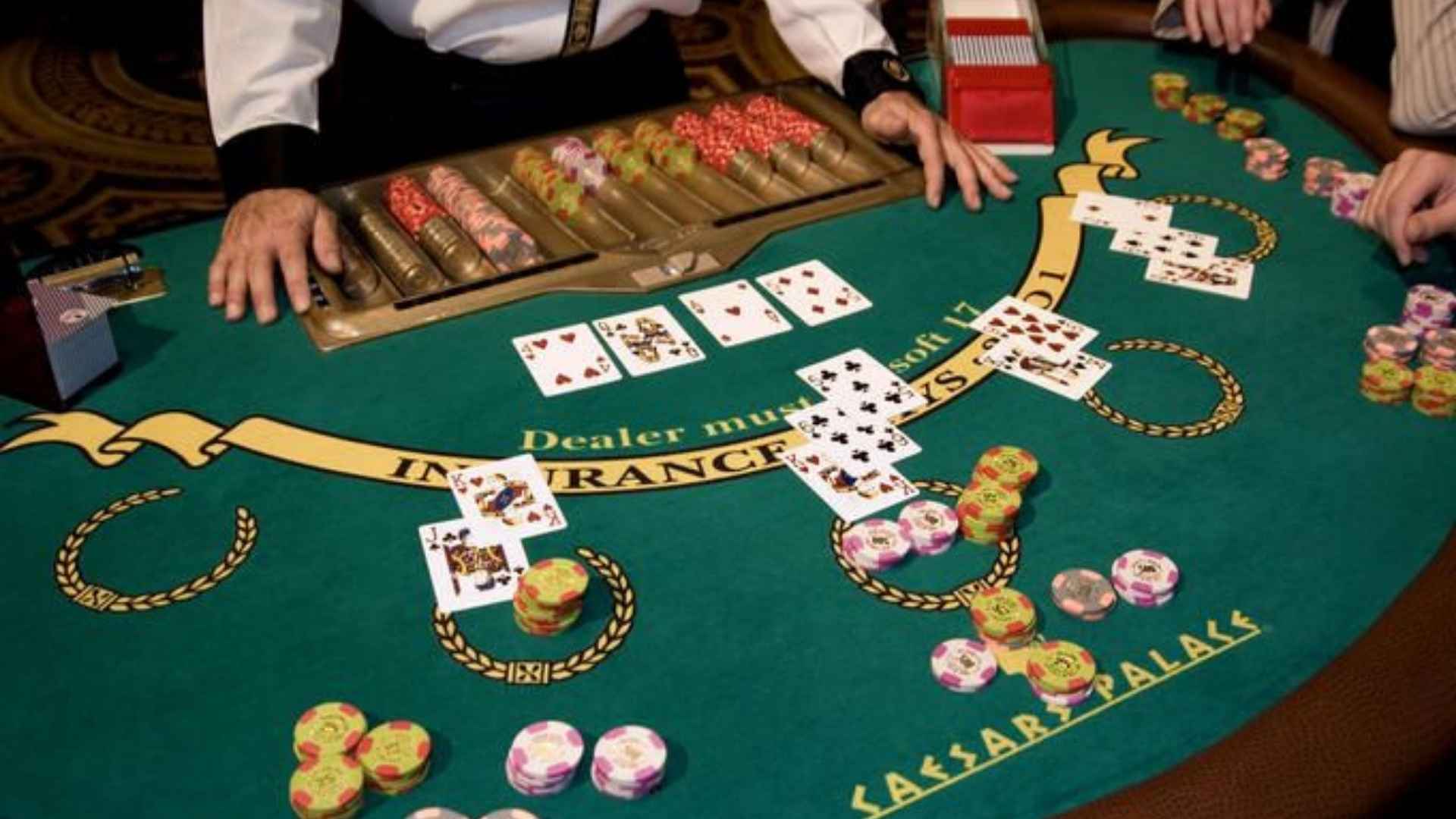
Developing strong awareness at the bridge table is the defining trait that separates skilled strategists from novice players. True game awareness goes beyond knowing basic rules, requiring players to continuously process bids, observe card sequences, and anticipate future tricks. By cultivating keen observational habits, you can elevate your decision-making and achieve far more consistent results in competitive play.
Tracking Bidding Sequences for Table Clues
Every bid made during the auction phase reveals valuable details regarding point counts and suit lengths across the table. Paying close attention to opponent calls allows you to construct a mental map of hidden hands before the first trick is played. This early information helps you choose effective defensive leads and plan smarter declarer lines.
As you gain experience, interpreting subtle bidding pauses and aggressive bids becomes second nature. Players often search for convenient online platforms or a straightforward m88 login to access digital tables and practice reading live auctions. Staying active in diverse gaming environments sharpens your ability to deduce card placement accurately under pressure.
Monitoring Card Play and Suit Distributions
Active observation during trick execution provides ongoing clues about how remaining suits are divided among players. Tracking which high cards have fallen enables you to calculate probabilities and spot potential long-suit setups. Maintaining focused attention on low cards as well as honors prevents surprise trick losses in the late stages of a hand.
Visualizing unseen hands requires constant mental updates as each trick concludes. Instead of trying to memorize every played card, focus on counting the remaining cards in key suits. This structured counting technique simplifies table management and keeps your mind clear for tactical choices.
Improving Partnership Communication
Bridge relies heavily on subtle, rule-abiding communication between partners through standardized signals and card leads. Developing table awareness means listening to the story your partner's cards are telling throughout the defense. Recognizing defensive signals, such as attitude or count cards, allows your team to coordinate attacks smoothly.
Trusting your partner's feedback eliminates unnecessary guesswork and helps prevent defensive errors. Clear coordination ensures both players work toward the same strategic objective without giving away unnecessary tricks. Strong partnership awareness often turns difficult defensive contracts into successful setbacks for opponents.
Reviewing Hands to Sharpen Intuition
Building long-term game awareness requires dedicated post-match reflection and detailed hand analysis. Reviewing challenging hands after a session highlights critical moments where miscalculations or missed clues occurred. Evaluating alternative playing lines strengthens your analytical mindset for future matches.
Consistently studying past performance helps transition conscious effort into natural strategic intuition at the table. Over time, recognizing recurring distribution patterns and defensive scenarios becomes second nature. Embracing a routine of active reflection guarantees steady progress and greater confidence in every game you play.